
Soups & Stews
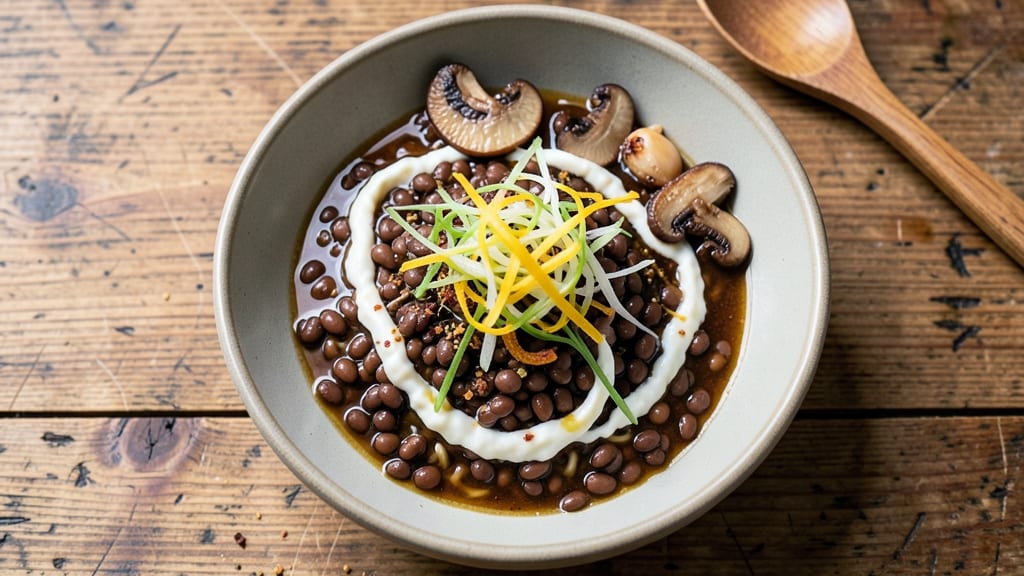
This vegan black bean ramen noodles recipe transforms a simple bowl into a rich, umami-packed experience that rivals any restaurant version.
The secret lies in a deep, savory broth built from black beans, mushrooms, and aromatic spices, while the noodles soak up every layer of flavor without losing their satisfying chew.
I developed this recipe after craving a hearty, plant-based ramen that delivered both bold taste and nutritional balance—something that feels indulgent yet wholesome.
What sets this dish apart is the broth's complexity, achieved through slow-simmered black beans and umami-rich ingredients like miso and soy sauce. The noodles cook al dente in the same pot, absorbing the broth's depth, while black beans add protein and earthy texture.
This isn't just a vegan substitute—it's a flavor-forward dish that stands on its own, perfect for cozy nights or meal prep.
By the time you finish, you'll have a visually striking bowl with vibrant broth, tender noodles, and optional toppings like crisp mushrooms, silky tofu, or fresh herbs. The aroma alone—smoky, earthy, and slightly sweet—will have everyone asking for seconds.
The best part? It comes together in one pot, making it both easy to prepare and impressive to serve.
Whether you're a vegan, looking for a high-protein meal, or simply craving a comforting, flavorful bowl, this ramen delivers. Let's get cooking—your taste buds (and leftovers) will thank you.
Ingredients for black bean ramen noodles
Rich umami broth meets hearty plant-based protein for a bowl that packs restaurant-quality flavor.
| Ingredient | Amount | Notes |
|---|---|---|
| Dried Black Beluga Lentils 🌱 | 1 ½ cups | Substitute for black beans, rinsed well |
| Shiitake Mushrooms 🍄 | 8 oz | Fresh or dried, stems removed |
| White Miso Paste 🥫 | 2 tbsp | High-quality, fermented umami base |
| Tamari or Gluten-Free Soy Sauce 🍶 | ½ cup | For deep savory flavor |
| Fresh Ginger 🌿 | 1 tbsp | Finely grated, aromatic kick |
| Garlic Cloves 🧄 | 6 cloves | Minced, aromatic foundation |
| Ramen Noodles 🍜 | 1 package | 12 oz, fresh or dried |
| Vegetable Broth 💧 | 4 cups | Low-sodium for flavor balance |
| Sesame Oil 🫒 | 1 tbsp | Toasted, for nutty aroma |
| Red Chili Flakes 🌶️ | 1 tsp | Adjust for heat preference |
| Lime Wedges 🍋 | 2 whole | Fresh, for bright finish |
| Fresh Cilantro 🌿 | ¼ cup | Chopped, optional garnish |
| Extra-Firm Tofu 🍫 | ½ lb | Silken for creaminess, optional |
| Sea Salt 🧂 | 1 ½ tsp | Diamond Crystal preferred |
The black beluga lentils are the protein powerhouse here—they mimic beans perfectly while cooking faster. Trader Joe's carries them pre-packaged, but any bulk bin works if you're at a natural grocery store. Look for plump, uniform lentils with no dark specks. Shiitake mushrooms? Dried are a game-changer—soak them first for maximum depth. If using fresh, pat them dry before cooking to avoid a watery broth. The miso needs to be white, not red—Miso Master or Eden Foods are my go-tos for consistent quality.
No tamari? Coconut aminos work in a pinch, though the flavor will be slightly sweeter. Fresh ginger loses potency fast—freeze it in ice cube trays if you won't use it all. The garlic can be pre-minced from a jar (I won't judge), but fresh is always better. For the noodles, fresh ramen holds its shape better than dried, but dried works in a bind. The sesame oil? Toast it first in a dry pan for 30 seconds to deepen the nutty aroma—don't skip this step. No tofu? Extra mushrooms or avocado add creaminess without dairy.
This broth keeps 5 days in the fridge—freeze extras in ice cube trays for quick ramen additions later. The noodles reheat beautifully, but add a splash of water to prevent drying. I double the batch and portion it into glass containers for easy lunches. The tofu? Press it for 15 minutes before cooking to avoid sogginess. Lime wedges should be zested and juiced fresh—bottled lime juice falls flat here. Store fresh herbs wrapped in damp paper towels for up to 5 days.
Why You'll Love This Recipe
- No-Soaking Needed: I just toss dried black beluga lentils in boiling water with the mushrooms and ginger—no pre-soaking, no fuss. They turn tender and meaty in 20 minutes, and honestly? That’s my kind of shortcut.
- Umami Bomb: White miso and tamari create this deep, savory punch that sticks with you. The shiitake mushrooms add a chewy, earthy bite, while the ginger keeps it bright—like a hug in a bowl.
- Leftover Hero: This broth thickens beautifully overnight, so I make a big batch and reheat it for days. My roommate’s favorite? Cold ramen noodles with leftover broth poured over ice—game-changer for lazy afternoons.
- Budget Flex: Beluga lentils and dried shiitake are my wallet’s best friends—way cheaper than store-bought ramen packs. Plus, the flavor? Rich enough to impress guests without breaking the bank. (Yes, even on a Tuesday night.)
Step-by-step instructions for black bean ramen noodles
Transform simple ingredients into a rich, umami-packed bowl where hearty lentils and mushrooms create depth.
Prepare the Umami Base with Lentils and Mushrooms
In a medium pot, combine the 1.5 cups dried black beluga lentils with 4 cups vegetable broth. Bring to a boil over medium-high heat, then reduce to a simmer. Cook for 20-25 minutes until the lentils are tender but still hold their shape—you'll want them to break down slightly but not turn to mush. While they cook, clean and slice the 8 oz shiitake mushrooms into thin strips. Set aside.
In a separate large skillet, heat 1 tablespoon sesame oil over medium heat. Add the sliced mushrooms and cook for 5-6 minutes until they release their moisture and develop golden brown spots. This step builds the foundation of your broth's depth. Remove mushrooms and set aside with the lentils.
Build the Flavorful Broth
In the same skillet, add 1 tablespoon finely grated fresh ginger and 6 minced garlic cloves. Sauté for 1-2 minutes until fragrant but not browned—ginger should smell bright and garlic should fill your kitchen with aroma. Add 2 tablespoons white miso paste and stir vigorously for 30 seconds to dissolve completely. This is where the magic happens—the miso transforms into a velvety, savory base.
Pour in 0.5 cup tamari or gluten-free soy sauce and scrape up any browned bits from the bottom of the pan. These bits, called fond, carry concentrated flavor. Add the cooked lentils and mushrooms back to the skillet, then pour in the remaining 4 cups vegetable broth (if not already used). Bring to a gentle simmer and cook for 10 minutes to meld all the flavors. Taste and adjust seasoning with 1.5 teaspoons sea salt—this broth should be rich but balanced.
Cook the Noodles and Prepare Tofu
While the broth simmers, prepare the 1 package ramen noodles according to package instructions, but cook them for 1 minute less than suggested. They'll finish cooking in the hot broth. Drain and set aside. For the tofu, press 0.5 lb extra-firm tofu to remove excess water, then cut into ½-inch cubes. Heat 1 tablespoon sesame oil in a clean skillet over medium heat and pan-fry the tofu for 4-5 minutes until golden brown on all sides. Sprinkle with 1 teaspoon red chili flakes while cooking for a subtle kick.
Here's the thing—don't overcook the tofu. It should be firm outside but still tender inside. If it releases too much water, drain it on paper towels before adding to your bowl. The tofu adds protein and texture contrast that elevates the dish from simple to satisfying.
Assemble and Finish with Freshness
Divide the cooked noodles among four bowls. Ladle the hot lentil-mushroom broth over the noodles, ensuring each bowl gets an even distribution. Add the pan-fried tofu to each serving. The contrast of warm broth, tender noodles, and crispy tofu creates the perfect texture play in every bite.
Finish each bowl with 2 lime wedges (squeeze one over each serving) and 0.25 cup chopped fresh cilantro. The lime brightens the rich umami flavors, while the cilantro adds a fresh herbal note. Serve immediately while the broth is steaming hot—this dish tastes best straight from the pot when all the aromas are at their peak.
Pro Tips For Making Black Bean Ramen Noodles
- SOAK LENTILS OVERNIGHT: Black Beluga lentils stay stubbornly firm if you don’t give them time. Toss them in cold water for at least 12 hours—yes, even if the recipe says 4. I used to rush this, and my lentils would either turn mushy or stay rock-hard. The soak softens them just enough so they absorb flavor like a sponge instead of fighting you the whole time.
- SAUTE SHIITAKES DRY FIRST: Wet shiitake mushrooms release too much water and steam instead of developing that deep, meaty texture. Pat them completely dry with a paper towel, then sear them in a screaming-hot pan for 3-4 minutes before adding any liquid. This step guarantees they caramelize instead of turning into a sad, watery pile.
- DILUTE MISO GRADUALLY: White miso is potent—add it straight to hot broth and you’ll end up with a bitter, overpowering mess. Start by whisking 1 tsp into a splash of cold water or tamari first, then stir this mixture into the simmering broth. This way, you control the depth of flavor without risking a miso bomb.
- GINGER JUICE NOT SLICES: Thinly sliced ginger burns fast and adds bitterness. Instead, grate it fresh (a microplane works best) and squeeze out the excess liquid with your hands—yes, it’s weird, but it works. Use just 1 tsp of the strained pulp for the broth; this guarantees bright, zesty flavor without any lingering heat or grittiness.
Wine and beer pairings for these flavors
Umami-Rich White Wines
For this deep, savory black bean ramen, I reach for dry Riesling from Germany or Austria—its crisp acidity and subtle mineral notes cut through the richness beautifully. A Chardonnay with lees aging (like La Crema from California) adds buttery texture that mirrors the tofu's creaminess.
Avoid heavy oaked whites—they'll clash with the broth's delicate umami. Serve your wine slightly chilled (45-50°F) to enhance its refreshing contrast. 🍷
Earthy Red Alternatives
If you prefer red, a Pinot Noir with earthy undertones works surprisingly well. Look for Oregon Willamette Valley or New Zealand Central Otago bottles—their bright acidity and red fruit notes complement the mushrooms and lentils.
A light Gamay from Beaujolais also pairs nicely, especially if you've added a touch of heat with the chili flakes. Decant for 15-20 minutes to soften tannins before serving. 🍇
Craft Beer Pairings
A wheat beer with citrus notes—like Allagash White or Blue Moon—cleanses your palate between bites. The beer's effervescence contrasts the ramen's heartiness, while the citrus echoes the lime finish.
For something bolder, try a sour ale (like New Belgium's La Folie)—its tangy profile balances the umami depth. Serve beer at 40-45°F to preserve its crispness. 🍺
Non-Alcoholic Options
For a refreshing non-alcoholic match, I love sparkling yuzu soda—its citrusy brightness mirrors the lime and cilantro. A hibiscus iced tea (chilled to 38-40°F) adds floral notes that complement the mushrooms.
For something richer, try coconut water with a splash of lime—it balances the dish's earthiness while adding a tropical twist. 💧
Pro Serving Tip
Let your wine or beer breathe alongside the ramen for 5-10 minutes before serving—this allows the aromas to fully develop and harmonize with the dish's complex flavors.
I always pour a slightly larger glass than usual to accommodate the dish's bold profile. And remember: the best pairing enhances, not overpowers, the food. 💡
Nutrition facts
Frequently asked questions
Can I use canned black beans instead of lentils?
For a quicker version, swap the 1.5 cups dried lentils with 2 cups canned black beans, drained and rinsed. They'll add a similar earthy texture, though the broth will be slightly less rich since lentils break down more during cooking. Adjust the broth volume to 6 cups total to compensate for the beans' moisture.
How do I make this gluten-free?
Use gluten-free tamari (like coconut aminos) and verify your ramen noodles are certified gluten-free. For extra safety, check miso paste labels—some contain wheat. Substitute the noodles with rice noodles if needed, though they'll have a softer texture. The rest of the recipe remains unchanged!
Why does my broth taste too salty?
Broths with miso and soy sauce often overpower with salt. Taste as you go and adjust with water or vegetable broth (1:1 ratio) to dilute. If it's still too strong, balance with a splash of lime juice or fresh herbs. For future batches, reduce the soy sauce to 0.25 cup and taste before adding salt.
Can I meal prep this ramen?
Yes! Store the cooked noodles and broth separately in airtight containers for 3-4 days. Reheat the broth first, then add noodles and warm through. For best texture, add fresh tofu and lime when serving. The broth freezes beautifully—portion into ice cube trays for quick ramen additions later!
What if I don't like tofu?
No problem! Swap the tofu for crispy baked tempeh, seared mushrooms, or avocado slices for creaminess. For protein, add edamame or baked chickpeas. The dish will still be hearty—just adjust the toppings to your taste!