
Sauces & Condiments
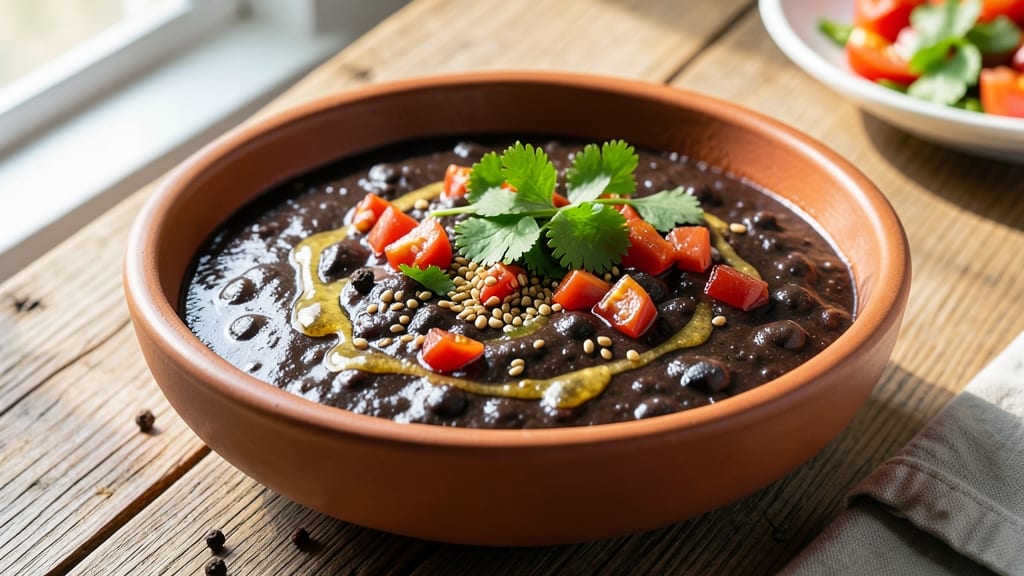
This Indian-style black bean sauce transforms simple ingredients into a smoky, tangy condiment that elevates curries, dips, and marinades with just 15 minutes of active time. The secret lies in toasting whole spices until fragrant—cumin, coriander, and black pepper—before simmering them with black beans, tamarind, and aromatic ginger-garlic paste.
The result is a thick, velvety sauce with layers of depth that clings to every bite, balancing earthy beans with bright acidity.
What sets this sauce apart is its versatility—use it as a bold curry base, a tangy dip for crispy fries, or a marinade for grilled meats. The tamarind adds a signature Indian tang, while black beans provide a creamy, protein-rich texture that thickens beautifully.
No blender? No problem—simmer longer for a rustic, chunkier consistency that still delivers big flavor.
The sauce builds complexity through two-stage cooking: first, spices toast in hot oil until aromatic, then they infuse the beans as they simmer into a rich paste. Adjust the consistency with water or a splash of vinegar, and taste as you go—this is where the magic happens.
One batch keeps in the fridge for up to a week, making it the ultimate pantry staple for quick, flavor-packed meals.
Pair it with dal makhani, grilled chicken, or even as a dressing for salads—the possibilities are endless. The key to success? Patience in toasting the spices and letting the tamarind mellow during simmering. Ready to transform your cooking with this Indian-inspired game-changer?
Ingredients for black bean sauce recipe indian style
Ten ingredients, bold flavors—this sauce starts with toasted spices and ends with velvety depth.
| Ingredient | Amount | Notes |
|---|---|---|
| Black Beluga Lentils 🌾 | 1 ½ cups | Dried, rinsed thoroughly |
| Tamarind Paste 🍈 | ½ cup | Unrefined for authentic tang |
| Cumin Seeds 🌿 | 2 tbsp | Whole seeds, toasted first |
| Ground Coriander 🌿 | 1 ½ tbsp | Freshly ground preferred |
| Black Peppercorns 🌶️ | 1 tsp | Cracked for deeper flavor |
| Ginger-Garlic Paste 🧄 | ¼ cup | Homemade or store-bought |
| Extra-Virgin Olive Oil 🫒 | ¼ cup | For toasting spices |
| Red Chili Flakes 🔥 | ½ tsp | Adjust for heat preference |
| Apple Cider Vinegar 🍎 | 1 tbsp | Brightens the sauce |
| Sea Salt 🧂 | 1 tsp | Diamond Crystal preferred |
The spices are non-negotiable here. Whole cumin seeds toast until fragrant—don't rush this step. Indian grocery stores carry unrefined tamarind paste in blocks, which is ideal, but the jarred version works too. For ginger-garlic paste, homemade is best (just blend grated ginger and garlic with a splash of water), but store-bought saves time. The black peppercorns should be cracked—not ground—so they release their flavor gradually during simmering. If you're short on time, pre-ground coriander works, but freshly ground makes a noticeable difference.
No tamarind? Lemon juice plus a pinch of sugar mimics the tang, though it won’t be identical. Swap lentils for black beans (drained and rinsed) if you prefer a creamier texture, but lentils hold up better to long simmering. The olive oil matters—use something with a low smoke point like avocado oil if you're worried about burning. For extra heat, add a pinch of cayenne or a dash of hot sauce. The sauce should thicken as it simmers, but if it’s too thin, simmer uncovered longer or add a splash of vinegar to balance.
This sauce keeps beautifully—1 week in the fridge or 3 months frozen. For freezing, portion into ice cube trays and transfer to a bag. Reheat gently on the stove, stirring in a splash of water if it thickens too much. The flavors actually improve after a day or two as the tamarind’s acidity mellows. Double the batch—it disappears fast, especially when paired with grilled chicken or crispy fries. Store leftovers in a jar with a tight seal to keep the spices aromatic.
Why You'll Love This Recipe
- Pantry to Plate Fast: I swear by this sauce—just toast the cumin and coriander until the kitchen smells like a spice market, then toss in the Beluga lentils and tamarind. No soaking, no fancy prep, just 15 minutes of simmering while you chop veggies or wait for rice to cook.
- Tamarind Tang Magic: That bright, sticky tamarind paste cuts through the richness of the lentils like a citrusy whisper. Honestly, the balance of sweet, sour, and earthy cumin is what makes this sauce dangerously good—drizzled over dosas or stirred into curry, it’s always the star.
- Weeknight Workhorse: Between us, this is my go-to for lazy nights when I’m too tired to plan. Slather it on toast with scrambled eggs, toss it with roasted potatoes, or even use it as a marinade for chicken. It’s the kind of sauce that turns simple meals into something special without extra effort.
- Budget-Friendly Pantry Gold: Beluga lentils are my wallet’s best friend—cheap, protein-packed, and they hold their shape like champs. A single batch stretches for days: freeze half for next month’s curry, or keep it in the fridge to jazz up rice bowls when you’re out of ideas. Zero waste, all flavor.
Step-by-step instructions for smoky tamarind lentil sauce
This Indian-inspired sauce builds layer upon layer of flavor—start with toasted spices, then let the tamarind and lentils develop depth.
Toast the Spices Until Aromatic
Heat a heavy-bottomed skillet over medium-low heat and add the 2 tablespoons cumin seeds. Toast them for 2-3 minutes, stirring constantly, until they release their warm, earthy aroma and begin to pop. This step is crucial—it unlocks the full flavor potential of the cumin. Once fragrant, immediately remove the skillet from heat and let the seeds cool for 1 minute. Transfer them to a spice grinder or mortar and pestle and grind until you have a fine powder.
While the cumin cools, add the 0.25 cup extra-virgin olive oil to the same skillet over medium heat. Swirl to coat the pan, then add the 1 teaspoon cracked black peppercorns and 0.5 teaspoon red chili flakes. Toast these spices for 30 seconds until they darken slightly and release their oils. Remove from heat and let them cool for 2 minutes before grinding into a fine powder. Combine this with the ground cumin—you now have a fragrant spice blend ready to infuse the sauce.
Build the Sauce Base with Lentils and Aromatics
In a large, heavy pot, combine the 1.5 cups rinsed black beluga lentils, 0.5 cup tamarind paste, and 1.5 tablespoons ground coriander. Add 4 cups water and bring to a boil over high heat. Once boiling, reduce heat to medium-low and simmer uncovered for 20-25 minutes, stirring occasionally, until the lentils are tender but still hold their shape. You want them to break down just enough to create a thick, velvety texture—they should be fork-tender but not mushy. Skim off any foam that rises to the surface during cooking.
While the lentils cook, prepare the ginger-garlic paste. Heat 1 tablespoon of the olive oil in a small pan over medium heat and add the 0.25 cup ginger-garlic paste. Sauté for 2-3 minutes until the raw aroma disappears and the paste turns golden. This step deepens the flavor profile—don’t skip it. Once fragrant, remove from heat and set aside.
Blend and Balance the Flavors
Using an immersion blender (or carefully transferring to a countertop blender), purée the cooked lentils until smooth. If the mixture is too thick, add 2-3 tablespoons of the cooking liquid to reach a pourable consistency. Return the puréed lentils to the pot and stir in the sautéed ginger-garlic paste. Add the 1 tablespoon apple cider vinegar and 1 teaspoon sea salt, then taste and adjust the seasoning. The sauce should be tangy, slightly sweet from the tamarind, and deeply aromatic from the spices. If it needs more brightness, add another ½ teaspoon vinegar; if it needs more depth, add a pinch more salt.
For a smoother texture, strain the sauce through a fine-mesh sieve to remove any remaining lentil skins. Return it to the pot and simmer gently over low heat for 5-7 minutes to allow the flavors to meld. The sauce should coat the back of a spoon and have a rich, glossy appearance—this indicates it’s ready to use. If you’re not using it immediately, let it cool to room temperature before storing in an airtight container in the refrigerator for up to 5 days.
Finish and Use the Sauce
To use the sauce, reheat it gently over low heat, stirring occasionally, until warmed through. The sauce should be smooth, vibrant, and deeply flavorful—think of it as a cross between a tangy chutney and a rich lentil puree. It’s perfect for drizzling over grilled meats, stir-fried vegetables, or even as a bold marinade for tofu or paneer. For an extra layer of complexity, finish with a drizzle of olive oil and a sprinkle of fresh cilantro just before serving.
This sauce is incredibly versatile—use it as a base for curries, a glaze for roasted vegetables, or even a dip for crispy fries. The tamarind and lentils create a sweet-tart balance, while the toasted spices add a smoky depth that elevates any dish. Store any leftovers in the refrigerator, and reheat gently to preserve the texture.
Pro Tips For Making Black Bean Sauce Recipe Indian Style
- TOAST THE WHOLE SPICES FIRST: Black Beluga lentils need serious texture—start by dry-roasting the cumin seeds and black peppercorns in a heavy pan until they pop and smell like a spice market. Skip this, and your sauce will taste flat, even if you add the ground coriander later. (Yes, it takes 2 minutes, but it’s the thing that matters most.)
- DILUTE TAMARIND SLOWLY: Tamarind paste is a beast—it’s easy to overdo the tang and end up with a sauce that tastes like vinegar. Mix it with warm water first (about ¼ cup per 2 tbsp paste) and add it to the lentils gradually, tasting as you go. I learned this the hard way after ruining a batch where the sauce could’ve pickled a ship.
- PRESSURE-COOK LENTILS UNTIL SOFT: Black Beluga lentils should fall apart like butter when pressed between your fingers—no crunch, no resistance. If you’re simmering them, don’t rush; they need at least 20-25 minutes on low heat with enough water to cover. I skip this step sometimes, and the sauce feels chewy instead of silky. (Your blender will hate you, too.)
- SAVE THE COOKING LIQUID: That starchy, lentil-infused water after cooking? Don’t dump it. Strain it, reduce it by half, and stir it back into the sauce at the end—it adds body and depth without extra effort. I was skeptical until I tried it; now it’s non-negotiable for the right consistency. (Yes, even if you’re impatient like me.)
Dietary considerations for this dish
Vegetarian-Friendly Base
This sauce is naturally vegetarian and packed with plant-based protein from the black beluga lentils—about 15 grams per serving. The lentils provide a creamy texture while keeping the dish hearty and satisfying, making it perfect for vegans or those avoiding meat.
The tamarind adds a tangy depth that mimics the umami found in meat-based sauces, so it’s a great substitute for Worcestershire or soy sauce in vegetarian cooking. 🌱
Gluten-Free by Nature
Since this recipe relies solely on whole foods—lentils, spices, and fresh aromatics—it’s inherently gluten-free. Always double-check your tamarind paste and spice blends for cross-contamination warnings if you have celiac disease or severe gluten sensitivity.
I recommend Bob’s Red Mill tamarind paste or Whole Foods 365 brand for certified gluten-free options. The sauce works beautifully as a dip for gluten-free crackers or a marinade for grilled tofu. ✨
Allergen Considerations
This sauce contains no common allergens like dairy, eggs, or nuts, making it safe for most dietary restrictions. However, if you’re sensitive to FODMAPs, the tamarind and garlic might require adjustment—reduce the garlic to 1 tablespoon and use low-FODMAP tamarind paste (like Pukka Herbs).
For nut-free kitchens, store the sauce in a clean, nut-free container to avoid cross-contact. The lentils are also low in oxalates, making this a great option for kidney stone concerns. 💡
Protein-Packed Adaptation
Want to boost the protein? Stir in ½ cup cooked chickpeas or ¼ cup nutritional yeast for an extra 5-7 grams of protein per serving. The chickpeas also add a creamy texture, while nutritional yeast contributes a nutty, cheesy flavor that pairs well with the tamarind’s tang.
For a high-protein dip, blend in 2 tablespoons tahini—it adds richness and binds the sauce beautifully. 💪
Low-Fat Option
To reduce fat, skip the olive oil in the spice toasting step and use water or broth instead. The spices will still toast well, and you’ll avoid adding unnecessary calories. For extra flavor without fat, add 1 teaspoon asafoetida (hing)—it deepens the umami without oil.
The sauce remains velvety from the lentils, so no oil is truly needed unless you prefer a richer mouthfeel. 🌿
Nutrition facts
Frequently asked questions
Can I substitute black beluga lentils with regular black beans?
Yes! For a creamier texture, replace the lentils with 1.5 cups cooked black beans (drained and rinsed). You may need to add 1-2 extra tablespoons of water during blending to reach the right consistency. Black beans will make the sauce slightly softer, but the flavor profile remains rich and tangy.
How do I adjust the heat level in this sauce?
Start with the 0.5 teaspoon red chili flakes called for, then adjust to taste. For mild heat, reduce to ¼ teaspoon or skip entirely. For extra spice, add ½ teaspoon cayenne pepper or 1 teaspoon gochugaru (Korean chili flakes) during the final simmer. Always taste before serving!
What’s the best way to store and reheat this sauce?
Store in an airtight container in the fridge for up to 5 days or freeze for 3 months. To reheat, warm gently over low heat, stirring occasionally with 1-2 tablespoons of water to prevent scorching. Avoid microwaving—it can make the sauce grainy. For best texture, reheat just until warmed through.
Can I make this sauce without tamarind?
Replace the 0.5 cup tamarind paste with 0.4 cup lemon juice + 1 tablespoon sugar (or maple syrup). For deeper flavor, add ½ teaspoon amchur (dried mango powder). The sauce will be slightly less complex but still tangy and aromatic. The key is balancing the acidity—taste as you go!
How can I use this sauce beyond curries?
This versatile sauce works as a marinade for grilled chicken or tofu, a dipping sauce for samosas or fries, or even a glaze for roasted vegetables. Mix 1 tablespoon with yogurt for a tangy dip, or drizzle over dal or biryani for extra depth. The smoky, tangy profile elevates almost any dish!