
Salads
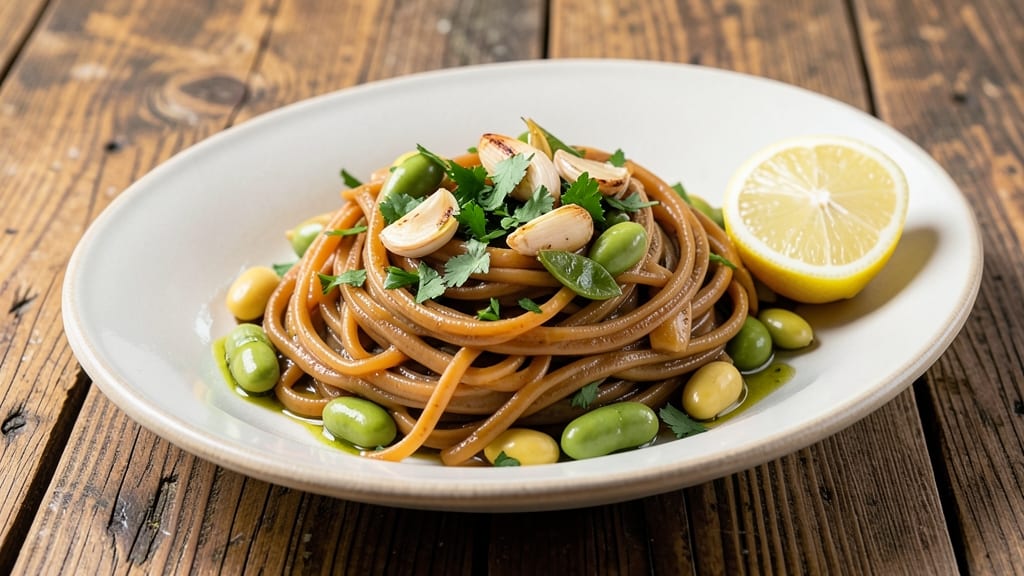
This broad bean pasta recipe transforms humble ingredients into a vibrant, protein-rich dish that feels both rustic and refined. The star is broad beans—nutty, buttery, and packed with earthy flavor—paired with al dente pasta for a vegetarian meal that satisfies every bite.
I developed this after discovering how their natural sweetness and creamy texture elevate simple ingredients into something extraordinary.
The secret lies in perfectly prepared broad beans: whether you blanch them for a tender bite or lightly toast them for deeper flavor, they form the heart of this dish.
Combined with a light olive oil and garlic base, they create a sauce that clings beautifully to the pasta, while fresh herbs and lemon zest add brightness. This recipe is foolproof, requiring just 30 minutes of active time but delivering restaurant-quality results.
What you’ll end up with is a plate of earthy green pasta swirled with creamy, buttery broad beans, finished with a touch of lemon and parsley for freshness. The texture is a perfect balance—tender pasta, creamy beans, and a light, herby sauce that ties everything together.
It’s elegant enough for dinner guests but simple enough for a weeknight.
Serve with a crisp green salad or crusty bread to soak up every last bite. The dish holds well at room temperature, making it ideal for potlucks or meal prep. Here’s how to bring this flavorful, nutritious meal to your table—no shortcuts, just pure, satisfying flavor.
Ingredients for broad bean pasta
Twelve ingredients transform into restaurant-quality broad bean pasta with nutty depth and vibrant green hues.
| Ingredient | Amount | Notes |
|---|---|---|
| Dried Fettuccine Pasta 🍝 | 12 oz | Al dente cooking essential |
| Fresh Broad Beans (Fava Beans) 🌱 | 1 ½ lb | Shell and trim ends |
| Extra-Virgin Olive Oil 🫒 | ½ cup | Lightly fruity variety preferred |
| Garlic Cloves 🧄 | 4 cloves | Minced for aromatic base |
| Fresh Lemon 🍋 | 1 whole | Zest and juice required |
| Fresh Flat-Leaf Parsley 🌿 | ⅓ cup | Chopped for vibrant finish |
| Vegetable Broth 💧 | 1 cup | Low-sodium preferred |
| Salt 🧂 | 1 ½ tsp | Diamond Crystal kosher preferred |
| Black Pepper 🌶️ | ½ tsp | Freshly cracked preferred |
| Fresh Thyme 🌿 | ¼ cup | Leaves only, finely chopped |
| Parmesan Cheese 🧀 | ½ cup | Freshly grated from block |
| Unsalted Butter 🧈 | 2 tbsp | Cold for finishing touch |
The broad beans are the foundation—fresh is non-negotiable for their creamy texture and natural sweetness. Local farmers markets often carry them in spring, but specialty grocery stores like Whole Foods stock them year-round. Look for pods that are firm and vibrant green, avoiding any with brown spots or softness. The beans should feel plump inside their shells. If you can't find fresh, frozen broad beans (thawed and blanched) work as a secondary option, though texture will differ slightly. For the pasta, Bronze Die fettuccine from brands like De Cecco or Barilla ensures perfect al dente texture—avoid pre-cooked or instant varieties.
No fresh broad beans? Substitute with shelled edamame or canned white beans (drained and rinsed), though texture will be firmer. The lemon zest can be omitted if you're short, but add an extra tablespoon of lemon juice for brightness. For the thyme, dried works at one-third the amount, but fresh is preferred for its delicate aroma. The vegetable broth can be swapped for white wine (dry variety) reduced by half for added depth. If you're avoiding dairy, nutritional yeast makes an excellent Parmesan substitute—use the same quantity and toast lightly for a cheesy note. The butter finishing touch can be replaced with extra olive oil for a lighter option, though it lacks richness.
Fresh broad beans should be shelled and blanched immediately upon purchase—they spoil quickly. Store any extras in an airtight container with a damp paper towel for up to 3 days in the refrigerator. The pasta sauce holds well for 3 days in the fridge, though the beans may darken slightly. For longer storage, freeze the sauce (without pasta) for up to 3 months. When reheating, add a splash of water or broth to prevent drying. The dish reheats beautifully, making it ideal for meal prep—simply toss with fresh pasta when serving. The lemon zest and parsley should be added fresh just before serving for maximum brightness.
Why You'll Love This Recipe
- The secret’s in the sizzle: sear those broad beans in olive oil until they’re blistered and golden, then toss in minced garlic. That crispy edge with the creamy center? Chef’s kiss. The lemon ties it all together—simple, but ridiculously good.
- No-Fuss Ingredients: I swear by this recipe because it uses what’s already in my pantry—dried fettuccine, a handful of broad beans (or frozen, no judgment), and garlic I probably have lurking in the back of the fridge. That lemon? The only "fancy" touch, but it’s worth it for that bright finish.
- Crispy-Garlicky Magic: The secret’s in the sizzle: sear those broad beans in olive oil until they’re blistered and golden, then toss in minced garlic. That crispy edge with the creamy center? Chef’s kiss. The lemon ties it all together—simple, but ridiculously good.
- Weeknight to Weekend: Make it for Tuesday dinners when you’re exhausted, or serve it at a potluck where you want to bring something light but impressive. The broad beans add a fresh, spring-like vibe, so it works year-round (even if I only crave it in spring).
Step-by-step instructions for earthy green pasta with nutty, buttery beans
Transform fresh broad beans into a luxurious pasta dish with rich, nutty depth and vibrant green hues.
👨🍳 Step 1: Prepare the Broad Beans for Cooking
Start by shelling the 1.5 lb fresh broad beans (fava beans)—this means carefully removing each bean from its tough outer pod. Trim the ends with a small knife, then rinse under cold water to remove any remaining debris. For the best texture, I like to blanch them briefly: bring a pot of salted water to a boil, add the shelled beans, and cook for 2 minutes until they soften slightly but remain firm. Drain immediately and transfer to an ice bath to stop the cooking process. This step ensures they hold their shape while developing a tender yet firm bite.
While the beans cool, zest the 1 whole fresh lemon and finely chop the 0.33 cup fresh flat-leaf parsley and 0.25 cup fresh thyme. These aromatics will infuse the dish with bright, herbal notes that complement the earthy beans. Keep the lemon zest and chopped herbs separate for now—they'll be added at different stages to preserve their freshness and flavor impact.
🍳 Step 2: Sauté Aromatics and Cook the Beans
Heat 0.25 cup (about 6 tablespoons) of the extra-virgin olive oil in a large skillet over medium heat. Add the 4 cloves minced garlic cloves and cook for 30 seconds until fragrant—don’t let them brown, or they’ll turn bitter. Add the blanched broad beans to the pan and cook for 5-6 minutes, stirring occasionally, until they develop a golden sheen and the edges begin to crisp slightly. This step caramelizes their natural sugars, deepening their nutty flavor.
Season with 0.5 tsp black pepper and 0.75 tsp salt, then pour in the 1 cup vegetable broth. Bring to a simmer, cover, and cook for 8-10 minutes until the beans are tender but still hold their shape. The broth should reduce slightly, creating a saucy consistency that clings to the pasta later. Remove from heat and set aside, reserving any remaining cooking liquid.
🍳 Step 3: Cook the Fettuccine to Al Dente Perfection
Bring a large pot of well-salted water to a rolling boil—it should taste like the sea. Add the 12 oz dried fettuccine pasta and cook according to package instructions, typically 11-13 minutes, until al dente (the pasta should be tender but still offer slight resistance). Reserve 1 cup of pasta water before draining, as this starchy liquid is essential for emulsifying the sauce later.
While the pasta cooks, finish preparing the broad beans. In a small bowl, whisk together the remaining 0.25 cup extra-virgin olive oil, the lemon zest, and the remaining 0.75 tsp salt. This bright, citrusy oil will be the final touch to elevate the dish’s flavors.
🥘 Step 4: Combine Pasta and Beans with Butter and Cheese
Return the cooked beans to the skillet and stir in the 2 tbsp cold unsalted butter, allowing it to melt into the mixture. The butter adds a luxurious richness that balances the earthy beans. Remove the skillet from heat and transfer the pasta to the pan, tossing gently to coat each strand with the bean mixture and any remaining cooking liquid. The residual heat will help the butter and oil blend seamlessly.
Off the heat, fold in the 0.5 cup freshly grated Parmesan cheese and the reserved lemon-citrus oil. The cheese should melt into a creamy, velvety sauce that clings to the pasta. If the mixture feels too thick, add 2-3 tablespoons of reserved pasta water to loosen it to your desired consistency. The sauce should be glossy and coat the back of a spoon.
🍽️ Step 5: Finish with Fresh Herbs and Serve Immediately
Transfer the pasta to serving plates and garnish generously with the chopped fresh flat-leaf parsley and fresh thyme. The herbs add a pop of color and a fresh, aromatic finish that cuts through the richness of the beans and butter. Squeeze a little lemon juice over the top just before serving to brighten the dish and balance the flavors.
Serve immediately while the pasta is hot and the sauce is silky. Each bite should deliver a harmonious blend of earthy broad beans, nutty Parmesan, and the bright, citrusy finish. Pair with a crisp white wine or a simple arugula salad to complement the dish’s vibrant flavors.
Pro Tips For Making Broad Bean Pasta
- SHOCK THE BEANS: Blanch broad beans in boiling water for exactly 2 minutes—no more, no less. Overcooking turns them mushy, and undercooking makes them tough; I learned this after serving a plate where half were still raw while the other half dissolved.
- SALT THE PASTA WATER HARD: Use 1½ tablespoons of salt per 4 quarts of water—more if you’re using unsalted pasta. Trust me, the beans and garlic will soak up flavor like sponges, and you’ll taste the difference when they hit your tongue.
- PEEL BEANS AFTER COOKING: Skip the pre-peeling step—those skins are stubborn and slippery. Blanch them first, then rub between your palms under cold water to pop them off. It’s messy but worth it; fresh broad beans taste nothing like canned ones.
- FINISH WITH LEMON ZEST: Toss the pasta with lemon juice and a pinch of grated zest while still hot. The acid brightens everything, but the zest adds a citrusy depth that cuts through the richness of the olive oil—don’t just squeeze the juice.
Regional styles of these flavors
Italian Rustic Style
In Italy, broad beans are a springtime staple, and this dish takes inspiration from traditional Puglia recipes where they're often tossed with orecchiette pasta instead of fettuccine.
For an authentic twist, swap the fettuccine for orecchiette and add 1 tbsp anchovy paste to the bean sauce—it deepens the umami without overpowering. Finish with toasted breadcrumbs and a drizzle of chili oil for a crisp, spicy contrast. 🌿
Greek Lemon-Garlic Twist
Greek cuisine transforms broad beans into a bright, herb-forward dish by adding 1 tbsp dried oregano and 1 tsp ground coriander to the bean mixture. Use bucatini pasta for its hollow tubes that trap the sauce.
Finish with lemon wedges and a sprinkle of crumbled feta cheese for a tangy, creamy balance. This version is lighter but equally vibrant.
Spanish Tapas Version
In Spain, broad beans are often served as tapas with crusty bread. For a tapas-style adaptation, toss the cooked beans with smoked paprika and diced serrano ham> (optional for vegetarians, use roasted red peppers instead).
Serve over short pasta like penne and top with crispy fried shallots for a smoky, crunchy finish. 🌶️
Middle Eastern Couscous Bowl
Swap the pasta for whole-wheat couscous and infuse the dish with Middle Eastern flavors. Add 1 tsp ground cumin and 1 tsp ground cinnamon to the beans, then top with toasted pine nuts and chopped mint.
Serve with a side of harissa yogurt sauce> for dipping—this version is hearty, aromatic, and perfect for meal prep.
French Market-Inspired
For a French bistro touch, use butter poached broad beans> (steamed in butter and broth) instead of sautéed. Toss with tagliatelle pasta> and finish with a shallot cream sauce> (made with ½ cup heavy cream and 2 tbsp shallots>).
Garnish with chervil> and a pinch of nutmeg> for an elegant, restaurant-worthy dish.
Modern Fusion Twist
Elevate the dish with a modern fusion approach: blend half the cooked beans into a creamy sauce with ½ cup cashew cream> (soaked cashews blended with water).
Toss with gluten-free pasta> and top with crispy chickpeas> and pomegranate seeds> for texture and color. This version is vegan-friendly, protein-packed, and visually stunning. ✨
Nutrition facts
Frequently asked questions
Why do broad beans need blanching before cooking?
Blanching (2 minutes in boiling water) softens broad beans slightly while preserving their shape and natural sweetness. This step prevents them from turning mushy during the main cooking process. The ice bath afterward stops cooking instantly, locking in their vibrant green color and tender texture.
Can I use canned broad beans instead of fresh?
Yes, but texture will differ. Drain and rinse canned beans, then heat them in the skillet for 3-4 minutes to crisp the edges slightly. They'll be softer than fresh, so adjust cooking time in the broth to 5 minutes instead of 8-10 minutes. Add extra lemon juice (1 tbsp) to brighten the dish.
How do I make this dish gluten-free?
Swap fettuccine for gluten-free pasta (like brown rice or chickpea pasta) and ensure your Parmesan is dairy-free. Use nutritional yeast instead of cheese for a cheesy flavor. The broad bean sauce remains unchanged—just check that your broth and broth base are gluten-free too.
What's the best way to reheat leftovers?
Reheat gently in a skillet with 1 tbsp olive oil over low heat for 3-4 minutes, stirring occasionally. Add 2 tbsp pasta water or broth to prevent drying. For extra richness, stir in 1 tbsp butter at the end. The dish reheats best within 2 days of cooking.
Are broad beans toxic if not prepared properly?
Raw broad beans contain toxins that disappear when cooked properly. Always blanch or boil them until tender—never eat them raw. The recipe's 2-minute blanch plus 8-10 minutes in broth ensures safety. Discard any beans that remain hard after cooking, as they may be undercooked.