
Side Dishes
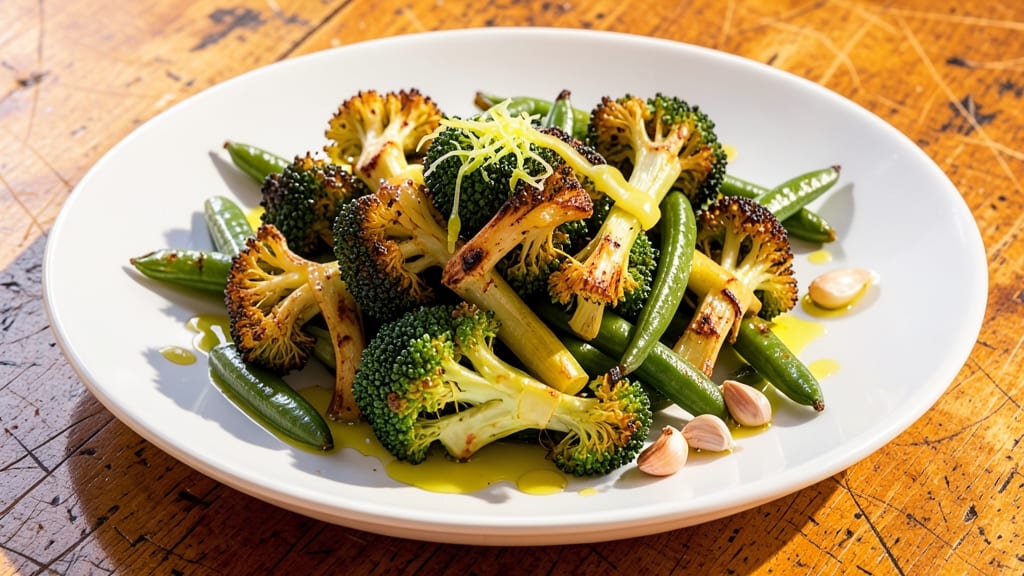
This garlic-lime roasted broccoli and string beans recipe transforms simple vegetables into a vibrant, flavor-packed side dish that steals the show. The secret lies in high-heat roasting that caramelizes natural sugars while garlic and lime infuse every bite with bright, aromatic depth.
I developed this recipe after years of testing roasted vegetable combinations, and this one consistently delivers the perfect balance of texture and flavor.
The beauty of this dish is its versatility—it works as a standalone side, pairs beautifully with grilled meats, or even serves as a light vegetarian main course when served over quinoa or rice.
The broccoli develops crisp-tender edges while the string beans stay vibrant and slightly charred, creating a visual and textural contrast that makes this dish irresistible. With just 15 minutes of active prep and 20 minutes of roasting, it’s perfect for busy weeknights or meal prep.
What sets this recipe apart is the garlic-lime marinade, which adds layers of complexity without overpowering the natural flavors of the vegetables. The lime zest brightens the dish, while the garlic creates a savory foundation that complements any protein or stands alone as a satisfying plant-based meal.
The result is a dish that’s as nutritious as it is delicious, packed with fiber, vitamins, and bold flavors that will have everyone asking for seconds.
Whether you're serving it at a dinner party or simply looking to elevate your weeknight meals, this recipe delivers restaurant-quality results with minimal effort. The aromas alone will draw people to the table, and the first bite will leave them impressed.
Ready to transform your vegetable sides into something extraordinary? Let’s get started.
Ingredients for broccoli and string bean
Just 11 ingredients for vibrant roasted vegetables that taste like restaurant-quality sides.
| Ingredient | Amount | Notes |
|---|---|---|
| Fresh Broccoli Crowns 🥦 | 1 ½ lb | Cut into even florets, stems peeled |
| String Beans (Green Beans) 🥬 | 1 lb | Trimmed, halved lengthwise |
| Extra-Virgin Olive Oil 🫒 | ¼ cup | High-quality, fruity variety |
| Garlic Cloves 🧄 | 6 cloves | Minced, fresh preferred |
| Lime Zest 🍋 | 1 tbsp | Freshly grated, vibrant color |
| Lime Juice 🍋 | 2 tbsp | Freshly squeezed |
| Diamond Crystal Kosher Salt 🧂 | 1 ½ tsp | Fine grain preferred |
| Ground Black Pepper 🌶️ | ½ tsp | Freshly cracked |
| Red Pepper Flakes 🌶️ | ¼ tsp | Adjust for heat preference |
| Fresh Thyme Leaves 🌿 | ¼ cup | Chopped, stems removed |
| Toasted Pine Nuts 🥜 | ¼ cup | Optional garnish |
The broccoli and string beans are the stars here—freshness matters most. Hit the produce section early for the brightest green beans and broccoli with tight florets. Whole Foods or local farmers markets have the best selection, but even your grocery store's prepped veggies work in a pinch. Look for broccoli with stems still attached—they're sweeter. For the garlic, fresh is non-negotiable—jarred minced has a metallic aftertaste that ruins the dish. I always grab extra lime zest too; it brightens everything up and keeps for weeks in the freezer.
No fresh thyme? Dried works at one-third the amount, but fresh has that piney aroma that's essential. Running low on pine nuts? Toasted almonds or walnuts give a similar crunch. The olive oil should be extra-virgin with fruity notes—none of that cheap cooking oil. For the heat, adjust those red pepper flakes based on your crowd's spice tolerance. The lime zest can be zested from one big lime or two small ones—just make sure it's fresh. And if you're short on time, pre-cut frozen veggies work perfectly (just thaw and pat dry first).
These veggies roast best at high heat—450°F is key—so don't crowd the pan. The pine nuts toast in seconds, so watch them like a hawk. Store leftovers in an airtight container for 3-4 days—they reheat beautifully, though they're always better fresh. For meal prep, I portion into glass containers with olive oil drizzled on top to keep them vibrant. The lime zest and garlic marinade can be prepped ahead too—just keep it separate until ready to roast.
Why You'll Love This Recipe
- One-Pan Magic: I swear by this—just toss the broccoli crowns and string beans on a sheet pan, drizzle with olive oil, and let the garlic and lime work their magic in the oven. No pots, no pans, no stress. (Yes, even on a Tuesday night.)
- Bright & Bold: That lime zest and fresh garlic? It’s the secret weapon—crisp, tangy, and just sweet enough to make you forget it’s a veggie dish. The olive oil keeps it rich without being heavy, and the beans stay delightfully snappy.
- Meal Prep MVP: Between us, this is my go-to for lunches all week. Roast a big batch, portion it out, and toss it with grains or over rice—it stays fresh for days. Honestly, I’ve had it cold, warm, and even in wraps, and it never gets old.
- Budget-Friendly Powerhouse: Fresh broccoli and string beans are cheap, and you’re not wasting a thing—stems get chopped for the beans, every bite is flavorful. Three ingredients do the heavy lifting, and you’ll actually eat your veggies without feeling like you’re sacrificing taste. (My wallet thanks me.)
Step-by-step instructions for garlic-lime roasted broccoli and string beans
Here's how to transform simple vegetables into a vibrant, restaurant-worthy side dish.
Prep the Vegetables for Perfect Roasting
Start by preheating your oven to 425°F—this high heat is key for developing those beautiful caramelized edges. While it heats, trim the 1 pound of string beans by snapping off the ends and halve them lengthwise. For the 1.5 pounds of broccoli crowns, cut each crown into even florets, about 1.5 inches across, and peel the tough outer stems with a vegetable peeler. You want uniform pieces so they cook evenly.
Spread the prepped vegetables on two separate baking sheets lined with parchment paper. Don't crowd them—they need space to brown properly. I like to arrange them in a single layer with just a little room between each piece. This ensures maximum surface area for that perfect crisp-tender texture we're after.
Toss with the Garlic-Oil Base
In a large bowl, combine the 0.25 cup of extra-virgin olive oil, 6 minced garlic cloves, 1.5 teaspoons of kosher salt, 0.5 teaspoon of black pepper, and 0.25 teaspoon of red pepper flakes. Whisk everything together until the garlic is fully incorporated and the oil looks emulsified. This aromatic base is what transforms ordinary vegetables into something extraordinary.
Add the prepared broccoli and string beans to the bowl and toss gently but thoroughly to coat each piece evenly. Here's the thing—don't be shy with the oil. You want every surface of the vegetables to be well-coated so they roast beautifully rather than steaming. Spread the seasoned vegetables back onto their baking sheets, maintaining that single layer arrangement.
Roast Until Caramelized and Tender
Place the baking sheets in the preheated oven and roast for 20 minutes. After the initial 20 minutes, you'll notice the broccoli and beans have softened but aren't quite caramelized yet. This is when I like to give them a good stir, rotating the baking sheets front to back and side to side to ensure even browning.
Return them to the oven and roast for another 10-12 minutes until the edges are deep golden brown and slightly crispy. The string beans should be tender enough to pierce easily with a fork, and the broccoli florets should have those beautiful charred spots. If you're worried about burning, check them at the 10-minute mark—the vegetables are done when they're tender and have developed that caramelized color.
Finish with Bright Lime and Fresh Thyme
Remove the vegetables from the oven and transfer them to a large serving bowl. While they're still hot, drizzle with the 2 tablespoons of lime juice and sprinkle with the 1 tablespoon of lime zest and 0.25 cup of chopped fresh thyme leaves. Toss everything together gently but thoroughly—you want the lime's bright acidity to cut through the richness of the roasted vegetables and the thyme to add an earthy depth.
Let the mixture sit for 2-3 minutes so the flavors can meld together. This resting period allows the lime's citrus notes to penetrate the vegetables, enhancing their natural sweetness. The result should be a vibrant dish with a perfect balance of smoky, garlicky, and citrusy flavors that complement any main course.
Garnish and Serve Immediately
Transfer the roasted vegetables to a serving platter and sprinkle with the 0.25 cup of toasted pine nuts just before serving. The pine nuts add a delightful crunch that contrasts beautifully with the tender vegetables. Serve immediately while the vegetables are still warm and vibrant—this dish doesn't hold its best qualities for long.
Each bite should deliver a harmonious blend of textures and flavors: crispy edges, tender centers, bright citrus, aromatic thyme, and a hint of spicy heat from the red pepper flakes. The pine nuts provide that final touch of sophistication that elevates this simple vegetable dish to something truly special.
Pro Tips For Making Broccoli And String Bean
- CUT BEANS LENGTHWISE: Cut string beans into 2-inch pieces—any longer and they’ll turn mushy, any shorter and they’ll disappear into the sauce. I learned this the hard way after serving a dish where half the beans were lost in the pan.
- SALTED BEANS FIRST: Toss raw string beans with a pinch of salt and let them sit for 10 minutes before cooking. This draws out moisture so they crisp up instead of steaming into limpness—no one wants sad, soggy green beans.
- GARLIC TO GOLD: Cook minced garlic in olive oil over medium-low heat until it’s golden, not brown. Burnt garlic tastes bitter and overpowers the dish—trust me, you’ll taste the difference if you let it go too far.
- ZEST, DON’T JUICE: Use lime zest instead of juice for brightness without extra liquid. A teaspoon of zest adds tangy depth, while juice can dilute the dish and turn it watery—especially if you’re not balancing it with other flavors.
Common mistakes when making this dish
Overcrowding the Pan
This is the #1 mistake I see that turns perfectly good vegetables into soggy, unevenly cooked messes. When you crowd the baking sheets, steam builds up instead of allowing those beautiful caramelized edges to form.
I've learned the hard way—once, I packed my broccoli and beans too tightly and ended up with mushy florets and pale green beans that tasted more like boiled vegetables than roasted ones. 🥦
Solution: Arrange your vegetables in a single layer with about 1 inch of space between each piece. If your baking sheets are too small, use two pans instead of trying to fit everything on one.
This might mean two trips to the oven, but trust me, it's worth it for that perfect crisp-tender texture we're after.
Skipping the Prep Work
Uneven pieces = uneven cooking. I've seen recipes where people just toss whole broccoli crowns and untrimmed string beans into the pan without any prep. The result? Some pieces are overcooked while others remain raw. The broccoli stems especially need attention—they're tough and take longer to cook than the florets.
Solution: Take 10 minutes upfront to properly prep your vegetables. Cut broccoli into 1.5-inch florets and peel the stems with a vegetable peeler. Trim string beans and halve them lengthwise.
Uniform pieces cook evenly and develop that perfect caramelization together. This step makes all the difference between a good side dish and a great one.
Underseasoning the Oil
Many recipes call for just a pinch of salt and pepper in the oil, but that's not enough to make these vegetables truly shine. I've made this mistake myself—using minimal seasoning in the oil only to find the vegetables needed more salt after roasting.
The problem is that roasting intensifies flavors, and you need that base seasoning to build upon.
Solution: Don't be shy with the seasoning in the oil. Use the full 1.5 teaspoons of kosher salt and 0.5 teaspoon of black pepper called for. The salt enhances the natural sweetness of the vegetables while the pepper adds depth.
You can always adjust at the end, but starting with well-seasoned oil gives you a much better foundation. 🧂
Ignoring the Stir Halfway
Here's another common mistake: putting the vegetables in the oven and forgetting about them until they're done. Without that crucial mid-roast stir, you'll get uneven browning—some pieces will be perfectly caramelized while others remain pale.
I've seen beautiful golden edges on one side of the pan while the other side was still green.
Solution: Set a timer for 20 minutes of initial roasting, then remove the pans and give them a good stir. Rotate the baking sheets front to back and side to side to ensure even exposure to the heat.
This simple step creates that perfect caramelization on all sides that makes this dish so special.
Overlooking the Lime Finish
The lime zest and juice are what truly elevate this dish from good to extraordinary. I've seen people skip this step or add it too late, missing out on the bright citrus notes that cut through the richness of the roasted vegetables.
Without that acidity, the dish can taste flat and one-dimensional.
Solution: Add the lime juice and zest while the vegetables are still hot, then let them sit for 2-3 minutes before serving. This resting time allows the citrus flavors to penetrate the vegetables, enhancing their natural sweetness.
Don't skip this crucial finishing step—it's what makes this recipe shine above basic roasted vegetables. 🍋
Burning the Pine Nuts
Pine nuts toast in seconds, and many people don't realize how quickly they can go from perfectly toasted to completely burned. I've seen beautiful golden pine nuts turn black and bitter in just 15 seconds of distraction.
The good news is they're small, so a few burned nuts won't ruin the whole dish, but it's still worth avoiding.
Solution: Toast your pine nuts in a dry skillet over medium heat and watch them like a hawk. They should take about 2-3 minutes to turn golden brown. Remove them immediately when they're toasted—don't walk away from the stove!
The aroma alone will tell you when they're ready. A few seconds too long makes all the difference between delightful crunch and bitter disappointment.
Nutrition facts
Frequently asked questions
Can I substitute snap peas for string beans?
Snap peas work beautifully in this recipe—they have a similar texture and roast just as nicely. Use the same 1 pound measurement, but trim the ends and leave them whole (no need to halve). The slightly sweeter flavor pairs perfectly with the lime and garlic. For extra color contrast, mix half snap peas and half string beans.
How do I make this dish spicier?
For more heat, double the red pepper flakes to 0.5 teaspoon or add 1 teaspoon of cayenne powder to the oil mixture. For a smoky kick, sprinkle 0.5 teaspoon of smoked paprika over the vegetables after roasting. If you love fresh heat, toss in 1 chopped jalapeño with the lime zest at the end—remove seeds for milder heat.
Can I make this ahead for meal prep?
Yes! This dish reheats beautifully for 3-4 days when stored in an airtight container. For best results, reheat in a skillet over medium heat with a splash of water to refresh the texture. To prep ahead, roast the vegetables as directed, then store them separately from the lime dressing. Add the dressing fresh before serving to maintain that bright, vibrant flavor.
What's the best way to serve this as a main dish?
Turn it into a complete meal by serving over 1 cup of cooked quinoa or brown rice per person. For extra protein, top with 4 ounces of grilled chicken or chickpeas. The roasted vegetables hold their texture well when reheated, making this perfect for lunch boxes or dinner leftovers. Add a dollop of Greek yogurt or tahini sauce for creaminess.
Why did my broccoli turn out mushy?
Overcrowding the pan or under-roasting are the most common causes.