
Main Courses
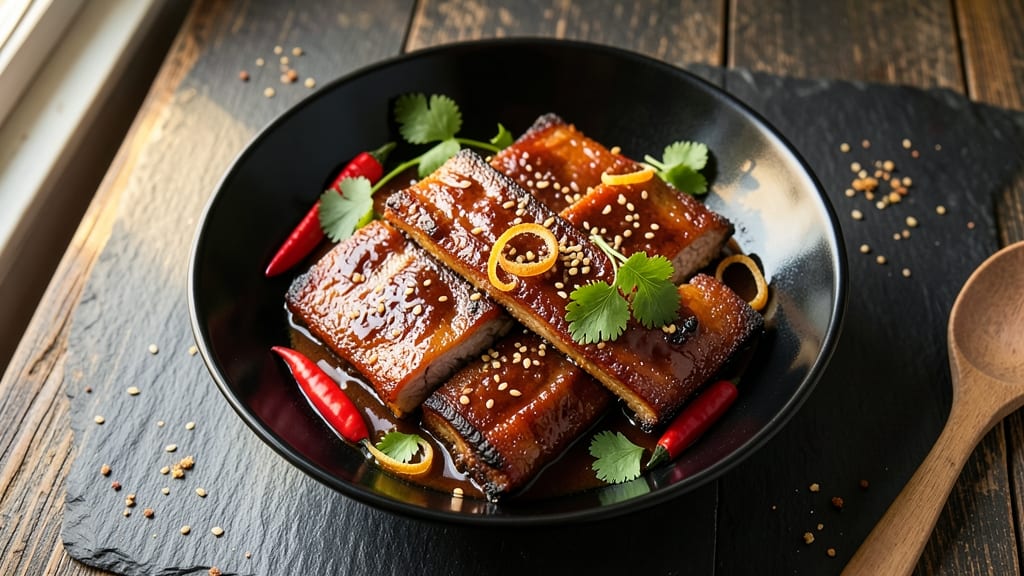
This Chinese black bean ribs recipe delivers the perfect balance of tender texture and bold, savory flavors that define authentic stir-fry dishes. The secret lies in marinating store-bought black bean protein (or homemade seitan) in a garlic-ginger-soy mixture for at least 30 minutes, allowing the flavors to deeply penetrate.
What sets this recipe apart is the two-step cooking process: first, searing the ribs in a hot wok to develop that signature wok hei—the smoky, aromatic essence of traditional Chinese stir-frying—before finishing with a glossy soy glaze that caramelizes into crisp edges.
The sauce is where the magic happens—a reduction of soy sauce, dark brown sugar, and a splash of Shaoxing wine that creates a sticky, slightly sweet glaze. This isn’t just a vegetarian dish; it’s a restaurant-quality experience that captures the essence of Chinese street food.
The ribs emerge with a crispy exterior that gives way to a tender, juicy interior, while the sauce clings to every bite like liquid gold. Serve over steamed jasmine rice or alongside quick-pickled vegetables to balance the richness.
What makes this recipe truly foolproof is the technique: high heat, minimal oil, and constant tossing to ensure even cooking. The result is a dish that’s bold in flavor but surprisingly simple to prepare—no complicated steps, just layers of umami from fermented black beans, garlic, and soy.
The aroma alone will have everyone gathering around the table, and the first bite delivers that perfect contrast of textures: crunchy from the glaze, tender from the ribs, and a deep, savory satisfaction that lingers.
Pair these ribs with steamed bok choy and a side of scallion pancakes for a complete meal that feels like a trip to your favorite Chinese eatery. The beauty of this recipe is its versatility—it works as a weeknight dinner or a showstopper for guests. Let’s get cooking!
Ingredients for black bean ribs chinese
These 14 ingredients transform into restaurant-quality black bean ribs with crispy edges and tender texture.
| Ingredient | Amount | Notes |
|---|---|---|
| Black Bean Protein Ribs 🍛 | 12 oz | Store-bought or homemade seitan |
| Soy Sauce 🍶 | ⅓ cup | Light or dark, high-quality |
| Dark Brown Sugar 🍚 | ¼ cup | Packed, not lightly scooped |
| Shaoxing Wine 🍷 | 2 tbsp | Or substitute dry sherry |
| Garlic Cloves 🧄 | 6 cloves | Minced finely for marinade |
| Fresh Ginger 🌿 | 1 tbsp | Grated, not powdered |
| Sesame Oil 🫒 | 1 tbsp | For aroma, not frying |
| Neutral Oil 🫒 | 2 tbsp | Peanut or vegetable oil |
| Green Onions 🧅 | 3 whole | Thinly sliced for garnish |
| Sesame Seeds 🌰 | 1 tbsp | Toasted lightly for crunch |
| Jasmine Rice 🍚 | 1 ½ cups | Uncooked, for serving |
| Vegetable Oil 🫒 | 1 tbsp | High smoke point for stir-fry |
| Salt 🧂 | ½ tsp | Adjust to taste |
| Black Pepper 🌶️ | ¼ tsp | Freshly ground preferred |
The black bean protein ribs are the foundation—look for store-bought seitan-style options at Asian markets or health food stores like Whole Foods or Trader Joe's. If making homemade seitan, ensure it’s firm enough to hold shape during stir-frying. Kikkoman soy sauce is a reliable choice for authentic flavor, but any high-quality light or dark soy works. For the Shaoxing wine, Asian grocery stores typically carry it, but a dry sherry like Fontevraud is a solid substitute. Fresh ginger and garlic are non-negotiable here—they’re the secret to that deep umami punch. Toast your sesame seeds in a dry pan for 30 seconds before adding to the dish for maximum crunch.
No Shaoxing wine? Dry sherry or even a splash of rice vinegar works in a pinch, though the flavor will be slightly different. Substituting maple syrup for brown sugar keeps the dish vegetarian while adding a similar caramel depth. If you’re short on time, pre-minced garlic from a jar is fine, but fresh is always better. The neutral oil for marinating can be swapped for avocado oil, which has a higher smoke point. For the sesame oil, use sparingly—just enough for aroma, as too much can overpower the dish. Pre-sliced green onions from the store are perfectly acceptable, but fresh is ideal if you’ve got them.
Store the marinated ribs in an airtight container in the fridge for up to 3 days, though they’re best used within 2 days for peak texture. The cooked ribs keep well for 4 days in the fridge, and portions freeze beautifully for 3 months—just reheat in a skillet with a splash of water to restore crispiness. Jasmine rice reheats best in a steamer basket over boiling water, and toasted sesame seeds stay fresh for 2 weeks in a sealed container away from light.
Why You'll Love This Recipe
- Five-Ingredient Magic: I swear, this recipe’s secret is how little you need. Black bean ribs soak up the sauce like a sponge—no fancy marinating, just toss them in the pan with soy, sugar, wine, and garlic, and let the heat do the work. Honestly, I’ve made it while scrolling through my phone.
- Umami Bomb: That Shaoxing wine and dark brown sugar combo? It’s the kind of flavor that sticks with you. The ribs get this glossy, caramelized crust that’s sweet, salty, and just a little funky—like a Chinese takeout craving, but better. Between us, my picky husband devours these first.
- Lunchbox Hero: Cold or reheated, these ribs hold up like champs. Pack them for work, toss them in a wrap, or serve them over rice—no one will guess they’re plant-based. (Yes, even on a Tuesday night.) My kid brings leftovers to school and still begs for more.
- Budget Win: A single package of black bean ribs feeds four for under $10. Soy sauce, sugar, and wine are pantry staples, and garlic? You probably have it. It’s the kind of meal that makes me feel clever—delicious without breaking the bank. Plus, the sauce stretches for stir-fries too.
Step-by-step instructions for black bean ribs Chinese recipe
Here's how to achieve that perfect balance of tender ribs with a crispy, soy-glazed exterior.
Prepare the Marinade
In a small bowl, combine the 0.33 cup soy sauce, 0.25 cup dark brown sugar, 2 tbsp Shaoxing wine, 6 cloves minced garlic cloves, and 1 tbsp grated fresh ginger. Whisk until the sugar dissolves completely and the mixture becomes smooth. This marinade is the foundation of your ribs' flavor profile, so don't rush this step.
The sugar will take a few moments to fully integrate—you'll see it transform from grainy to a glossy syrup. Add the 1 tbsp sesame oil last and stir gently. The sesame oil adds depth of flavor but should be kept separate until the final stir to preserve its aroma. Let the marinade sit for 5 minutes while you prepare the ribs.
Marinate the Black Bean Ribs
Cut the 12 oz black bean protein ribs into 1-inch pieces using kitchen shears or a sharp knife. Place the rib pieces in a shallow dish and pour the marinade over them, ensuring each piece is fully coated. Use your hands to massage the marinade into the ribs, working it into all the crevices for maximum flavor penetration.
Cover the dish and refrigerate for at least 30 minutes, but ideally 1-2 hours. This resting period allows the marinade to tenderize the ribs and develop deep flavor. If you're short on time, you can marinate for 15 minutes at room temperature, but the longer marinade yields better results. The ribs should absorb the marinade completely, becoming glossy and infused with color.
Stir-Fry to Perfect Doneness
Heat a large skillet or wok over medium-high heat until hot. Add 2 tbsp neutral oil and swirl to coat the bottom evenly. Add the marinated ribs in a single layer, leaving space between pieces to prevent steaming. Let them cook undisturbed for 2-3 minutes until the bottoms develop a golden-brown crust. This initial sear locks in moisture and creates texture.
Once the bottoms are browned, stir the ribs gently with tongs and continue cooking for another 3-4 minutes until they're 80% cooked through. You'll know they're ready when they release easily from the pan and have a slight char on the edges. Remove the ribs and set them aside on a plate, leaving the flavorful fond in the pan.
Create the Glazed Finish
Return the skillet to medium heat and add the reserved ribs back to the pan. Pour any remaining marinade from the dish into the skillet, scraping up any browned bits from the bottom with a wooden spoon. These bits are packed with flavor and will create a rich glaze for your ribs.
Let the ribs cook in the marinade for 1-2 minutes, stirring occasionally, until the sauce begins to thicken and coat the ribs evenly. The glaze should be sticky and glossy, clinging to each piece. If it's too thin, let it reduce for an additional 30 seconds—the sugar in the marinade will help it thicken naturally. The ribs should be fully tender with a glossy, caramelized exterior.
Garnish and Serve
Transfer the glazed ribs to a serving platter. Thinly slice the 3 whole green onions and sprinkle them over the top for freshness. Toast the 1 tbsp sesame seeds in a dry skillet over low heat for 1 minute until fragrant, then sprinkle them evenly over the ribs for added crunch and nutty flavor.
Serve the black bean ribs immediately over 1.5 cups cooked jasmine rice, which should be fluffy and steamed to perfection. The contrast of the tender ribs with the crispy glaze and the soft rice creates a harmonious texture and flavor experience. Each bite should deliver a balance of savory, sweet, and umami notes, with a satisfying crunch from the toasted sesame seeds.
Pro Tips For Making Black Bean Ribs Chinese
- STIR-FRY GARLIC FIRST: I learned this the hard way—crushing garlic cloves into the pan before adding oil leads to burnt bits and wasted flavor. Mince the garlic finely, then cook it in a dry pan for 30 seconds until fragrant and just turning golden. That aroma locks into the ribs when the sauce hits.
- USE WET SOY SAUCE: Skip the dry soy sauce powder unless you’re desperate. The real stuff—thick, salty, and slightly fermented—cuts through the sweetness better. For extra depth, mix 2 tablespoons soy sauce with 1 teaspoon cornstarch first; it’ll coat the ribs evenly without clumping.
- LOW AND SLOW AFTER SEARING: The ribs will look done in 5 minutes over high heat, but that’s when they turn rubbery. After the initial sear, drop the heat to medium-low and let the sauce simmer for 8–10 minutes. The sugar needs time to caramelize without burning, and the ribs absorb the sauce properly.
- SALT THE BEANS: Black bean protein ribs are bland out of the package—no shame in seasoning them early. Toss them with 1 teaspoon salt and 1/2 teaspoon five-spice powder before cooking. It cuts prep time and ensures every bite has that savory backbone the recipe relies on.
Flavor customization for this recipe
Spicy Sichuan Kick
Transform this dish into a fiery Sichuan-style version by adding 1 tbsp Sichuan peppercorns (toasted and ground) and 1 tsp chili bean paste to the marinade. The numbing heat of Sichuan peppercorns creates a unique sensory experience that pairs perfectly with the sweet-savory glaze.
For extra heat, toss the cooked ribs with 1 tbsp chili oil before serving. 🌶️
Sweet and Tangy Glaze
Swap the brown sugar for 3 tbsp hoisin sauce and 1 tbsp rice vinegar in the marinade to create a tangy, slightly sweet profile. The hoisin adds depth while the vinegar brightens the flavors.
Finish with a drizzle of 1 tsp sesame oil and extra green onions for a restaurant-quality touch. This variation works especially well with a side of cucumber salad.
Smoky BBQ Twist
For a smoky BBQ-inspired take, replace the Shaoxing wine with 2 tbsp molasses and add 1 tsp smoked paprika to the marinade.
After stir-frying, brush the ribs with a mix of 2 tbsp BBQ sauce (like Sweet Baby Ray's) and 1 tbsp soy sauce, then broil for 2-3 minutes for extra caramelization. Serve with coleslaw for a fusion twist on a classic.
Garlic and Chili Bomb
Amplify the umami with an extra 4 cloves minced garlic and 1 tbsp gochujang (Korean chili paste) in the marinade. After cooking, toss the ribs with 1 tbsp chopped Thai bird's eye chilies for a spicy crunch.
This version is perfect for those who love bold, spicy flavors with a sweet-savory balance. Pair with steamed rice and a side of kimchi for a Korean-Chinese fusion meal. 🔥
Honey-Glazed Crisp
Create a caramelized finish by replacing the brown sugar with 3 tbsp honey and adding 1 tsp grated ginger to the marinade. After stir-frying, reduce 2 tbsp honey with 1 tbsp soy sauce in the pan until glossy, then toss the ribs in the sauce.
The result is a sticky, golden glaze with a delicate sweetness. Garnish with extra sesame seeds for texture contrast.
Umami Bomb Boost
For maximum depth, add 1 tbsp miso paste (white or red) and 1 tsp fish sauce (or soy sauce for vegetarian) to the marinade. The miso adds a rich, fermented umami that elevates the dish.
After cooking, finish with a sprinkle of 1 tsp furikake** (Japanese seasoning) for an extra layer of flavor. This version is ideal for umami lovers who crave complexity.
Nutrition facts
Frequently asked questions
What's the best substitute for Shaoxing wine in this recipe?
Use dry sherry like Fontevraud as the closest substitute, or try rice vinegar for a tangier twist. If you prefer a sweeter profile, 1 tbsp honey or maple syrup mixed with 1 tbsp water works well too. The key is maintaining the dish's balance of sweet and savory flavors.
Can I make these black bean ribs ahead of time?
Marinate the ribs for up to 3 days in the fridge, but cook them within 2 days for best texture. Cooked ribs keep for 4 days refrigerated or 3 months frozen. To reheat, warm in a skillet with 1 tsp water to restore crispiness. The sauce may thicken when reheated, so add a splash of water if needed.
Why did my black bean ribs turn out rubbery instead of tender?
Rubbery texture usually means overcooking or insufficient marinating. Ensure you cook them only until 80% done in the first sear, then finish with the sauce. Also, marinate for at least 30 minutes (longer is better) and use fresh ginger and garlic—they contain enzymes that help tenderize the protein. Avoid crowding the pan during cooking.
What's the secret to getting that perfect crispy glaze?
The magic happens in two steps: first, sear the ribs until golden brown, then reduce the sauce until it's thick and glossy. Use dark brown sugar (not white) for deeper caramelization, and don't rush the reduction—let it bubble gently for 2-3 minutes until it coats the back of a spoon. The sugar will naturally thicken the sauce as it cooks.
Are these black bean ribs gluten-free?
Standard store-bought black bean ribs often contain gluten from soy sauce and wheat-based seitan. For a gluten-free version, use tamari instead of soy sauce, check your black bean protein for gluten-free certification, and ensure your Shaoxing wine substitute (like dry sherry) is also gluten-free. Most other ingredients are naturally gluten-free. Always verify labels!